The Art of Intentional Tea: Choose Your Perfect Strainer for 2026
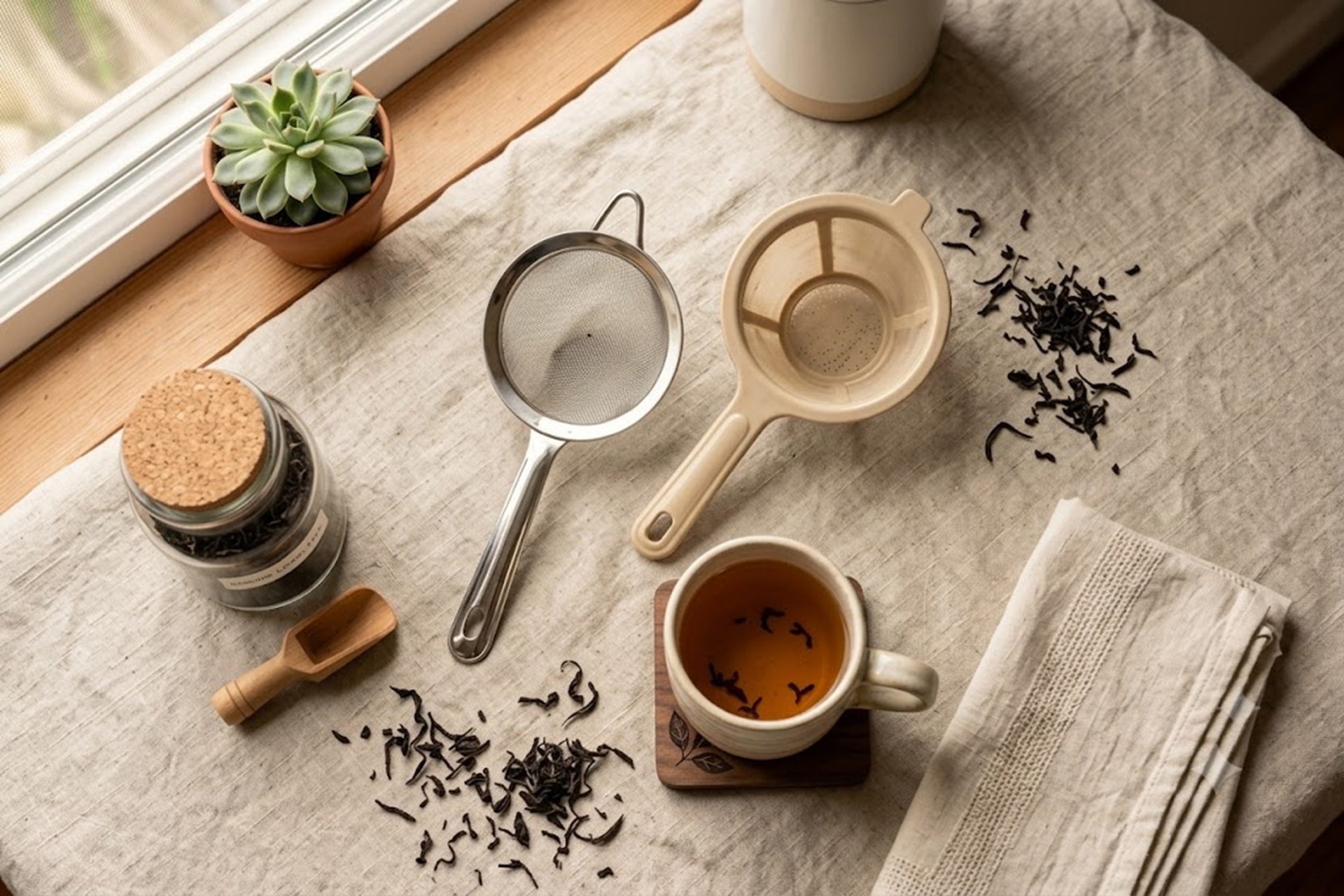
There's something profound happening in kitchens across India right now. People are slowing down, reconsidering the rituals that fill their days, and asking harder questions about the objects they use and the waste they create. Tea sits at the perfect intersection of this shift. It's ancient yet relevant, meditative yet energizing, and deeply personal.
But modern tea culture can sometimes conflict with modern environmental consciousness. Disposable tea bags, low-quality plastic strainers, single-use packaging, and wasteful accessories can all contribute to unnecessary waste.
The good news is that building a more sustainable tea ritual can be simple. The right choice, however, is not necessarily the same for everyone. It depends on your lifestyle, budget, frequency of tea drinking, portability requirements, and personal values.
Why Tea Rituals Matter in 2026
Tea has never simply been a beverage. It's a pause, a moment of clarity, and a practice that rewards attention without demanding it.
In 2026, as life accelerates and digital noise intensifies, tea rituals are experiencing a genuine revival. This isn't simply about novelty drinks or aesthetics. It's about intentionality and choosing fewer things, but choosing them more thoughtfully.
When you build a sustainable tea ritual, you're not just consuming. You're engaging in a practice that can nourish both you and the planet. That alignment can make everyday tea preparation feel more meaningful.
The Plastic Reality — and the Nuance
Conventional tea culture can generate surprising amounts of waste. Single-use tea bags may contain synthetic materials, while low-quality plastic strainers can degrade over time. Accessories that are frequently replaced also contribute to unnecessary waste.
But sustainability requires some nuance. Not all plastic use is equally wasteful. A quality, food-grade plastic strainer used occasionally for travel can generate far less waste than a cheap plastic strainer that is replaced every year.
Similarly, a stainless steel strainer used regularly for many years can avoid the repeated manufacturing and disposal associated with frequently replacing lower-quality alternatives.
The central issue is therefore not simply the material. It is durability, frequency of use, and the disposable mentality. The best choice is one that fits your actual lifestyle and that you will continue using for years.
Understanding Your Strainer Options
Creating a sustainable tea ritual starts with choosing the right tool for your actual lifestyle, rather than an idealized version of yourself.
Stainless steel strainers are engineered for durability and are particularly suitable for frequent tea brewing. Quality food-grade stainless steel can withstand regular exposure to hot water and is designed for long-term use.
Quality food-grade plastic strainers are lightweight, affordable, and convenient. They can be particularly practical for occasional brewing, travel, or as a backup option.
The environmental impact of either choice depends greatly on how often you use it and how long it remains in service.
Stainless Steel Strainers: The Long-Term Investment
Your strainer sits at the center of every brewing moment. For frequent tea brewing, food-grade stainless steel, specifically 304-grade or 18/8, is presented as a durable choice.
A quality stainless steel strainer can withstand regular use and may last for many years. With proper care, some can remain useful for decades.
The environmental benefit compounds over time. A durable steel strainer can replace the need for multiple replacements and reduce the manufacturing footprint associated with repeatedly purchasing new strainers.
If you brew tea daily or several times each week, stainless steel can make both practical and environmental sense. Explore Ezzi's stainless steel strainers for options designed around different brewing preferences and cup sizes.
When selecting a strainer, consider the design as well as the material. A comfortable handle, secure construction, and practical shape can make the product something you genuinely want to use every day.
Quality Plastic Strainers: When They're the Right Choice
Plastic strainers are not automatically the wrong choice. If you brew tea once or twice a month, travel frequently, or need a lightweight backup, a quality plastic strainer can be a practical option.
The important consideration is quality. Food-grade, BPA-free plastic options from trusted manufacturers are intended for repeated use rather than immediate disposal.
Quality plastic strainers can also be considerably less expensive than stainless steel. For someone with a limited budget, a durable plastic strainer can be a sensible way to enjoy loose-leaf tea without relying on disposable tea bags.
The sustainability concern becomes greater when plastic strainers are used frequently and replaced casually. Using a quality product for several years can be a much more responsible approach.
Explore Ezzi's plastic strainer collection for lightweight options suitable for travel, occasional home brewing, or backup use.
Beyond the Strainer: Your Complete Sustainable Tea Toolkit
A sustainable tea ritual involves more than the strainer itself. Several supporting choices can make the entire experience more reusable and intentional.
- Tea storage: Use glass jars with airtight lids or stainless steel tins to protect tea from light, air, and moisture.
- Measuring spoon: Wooden or stainless steel spoons can replace disposable or low-quality plastic scoops.
- Tea cup: Ceramic, glass, or stainless steel vessels can each provide a distinctive brewing and drinking experience.
- Travel storage: Reusable cloth storage bags can be used when carrying loose tea.
- Cleaning: A natural-bristle brush can provide a reusable alternative for cleaning the strainer.
Each individual change may seem small. Together, however, they create a coherent tea ritual built around intentional and repeated use.
The Complete Tea Ritual: A Daily Practice
A sustainable tea ritual can be simple, whether you choose stainless steel or quality plastic.
Retrieve your strainer, measure your loose-leaf tea, and place it into the strainer. Pour hot water and allow the leaves to unfurl. Use the steeping time as a moment to slow down and be present.
Pour the finished tea into a cup you enjoy. Rinse and dry the strainer so that it is ready for the next use.
Store your tea in a reusable container that protects it from moisture, light, and air.
This doesn't need to be complicated or expensive. It is simply tea, prepared with intention, using tools designed for repeated use.
The Deeper Impact: Choose Based on Your Reality
Perfection is often the enemy of progress when it comes to sustainability. The most eco-friendly product is often the one you already own. The next best choice is one that is built to last. Most importantly, the product should be one you will actually use consistently.
If a stainless steel strainer feels too heavy or inconvenient for your routine, you may stop using it. If a plastic strainer is practical for your occasional travel needs and is used for years, that can also be a responsible choice.
When you choose durability, you choose sustainability. When you choose quality over quantity, you can reduce your footprint not just for a year, but across many years of use.
How to Choose the Right Strainer for Your Lifestyle
- Frequency: How often do you brew tea? Daily brewing generally favors stainless steel, while occasional brewing can make quality plastic practical.
- Portability: Do you travel frequently with tea? If yes, the lightweight nature of quality plastic can be useful.
- Budget: What can you invest upfront? A quality plastic strainer can provide a lower-cost option.
- Values: What matters most to you? Long-term durability may favor stainless steel, while practical affordability may favor quality plastic.
- Maintenance: How much care are you willing to provide? Both materials can work well when properly maintained.
Maintenance Matters for Both Options
Maintaining Stainless Steel
- Rinse immediately after use with warm water.
- Use a soft brush for gentle scrubbing.
- For stubborn residue, soak in hot water with a pinch of baking soda for about 10 minutes.
- Dry thoroughly after cleaning.
- Stainless steel can also be washed in a dishwasher if preferred.
Maintaining Quality Plastic
- Rinse immediately after use.
- Avoid extreme temperatures.
- Hand wash to help extend the product's life.
- Store in a cool, dry place.
Regardless of the material you choose, proper care extends the life of your strainer. That long-term use is an important part of a sustainable tea ritual.
Starting Your 30-Day Tea Ritual Challenge
You don't need to change everything at once. For the next 30 days, focus on one element: your strainer choice and tea storage.
Whether you choose stainless steel or quality plastic, use your chosen tools consistently. Notice how they feel, how they fit into your routine, and how the overall tea ritual feels.
After 30 days, identify the next element you want to consider. It could be your cup, measuring tool, storage system, or another accessory.
A gradual approach can be more practical than making drastic changes all at once. You build the habit, experience the difference, and allow the momentum to continue.
Frequently Asked Questions
1. Is stainless steel always better than plastic for sustainability?
Not necessarily. A quality stainless steel strainer used regularly for many years can be more sustainable than a plastic strainer that is repeatedly replaced. However, a quality plastic strainer used occasionally for travel and properly maintained can also be a responsible choice. Sustainability depends on how the product is used, not simply what it is made from.
2. How much does it cost to build a sustainable tea ritual?
According to the guide, a quality stainless steel strainer may cost approximately ₹300–₹800, while a glass storage jar may cost ₹150–₹300, bringing the estimated total to ₹500–₹1,200.
A quality food-grade plastic strainer may cost approximately ₹150–₹400, with a glass storage jar costing another ₹150–₹300, giving an estimated total of ₹300–₹800.
3. How do I know if a plastic strainer is food-grade and safe?
Look for indicators such as BPA-free certification, manufacturer information, and evidence of durability. Avoid very cheap plastic strainers from unknown sources and check product descriptions carefully.
4. How long do quality plastic strainers last compared with stainless steel?
The guide states that a quality plastic strainer can last around 3–5 years with regular use and potentially 5–10 years with occasional use and proper maintenance. Stainless steel can last approximately 10–30+ years with daily use.
5. Can stainless steel and plastic strainers be used for different types of loose-leaf tea?
Yes. Both materials can be used for loose-leaf tea. The choice is primarily about durability, portability, budget, and maintenance preferences. Some people may find it useful to keep stainless steel for daily home use and quality plastic for travel.
Your 30-Day Tea Ritual Challenge Checklist
- Week 1: Assess your tea-drinking habits honestly. How often do you brew? Do you travel? What's your budget?
- Week 2: Choose your strainer based on your Week 1 assessment and purchase one reusable glass storage container.
- Week 3: Begin using your new strainer and storage container daily. Notice how they fit into your routine.
- Week 4: Identify the next element you want to upgrade, such as your cup, measuring tool, or accessories.
- By Day 30: Your tea ritual foundation becomes more intentional and sustainable, based on your actual lifestyle.
Make Your Tea Ritual More Intentional
A sustainable tea ritual does not require perfection. It begins with understanding your own habits and choosing products that you will actually use for a long time.
Daily tea drinkers may benefit from investing in a durable stainless steel strainer, while occasional brewers and frequent travelers may find a quality plastic option more practical.
Ultimately, the goal is simple: choose quality, reduce unnecessary replacement, care for what you own, and make your everyday tea ritual more intentional.
Explore Ezzi's steel strainers or browse the plastic strainer collection to find an option that fits your tea-drinking routine.